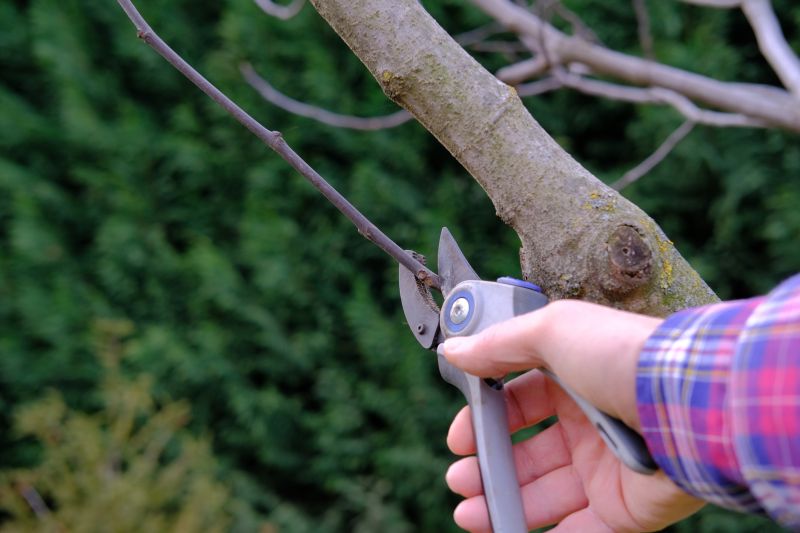
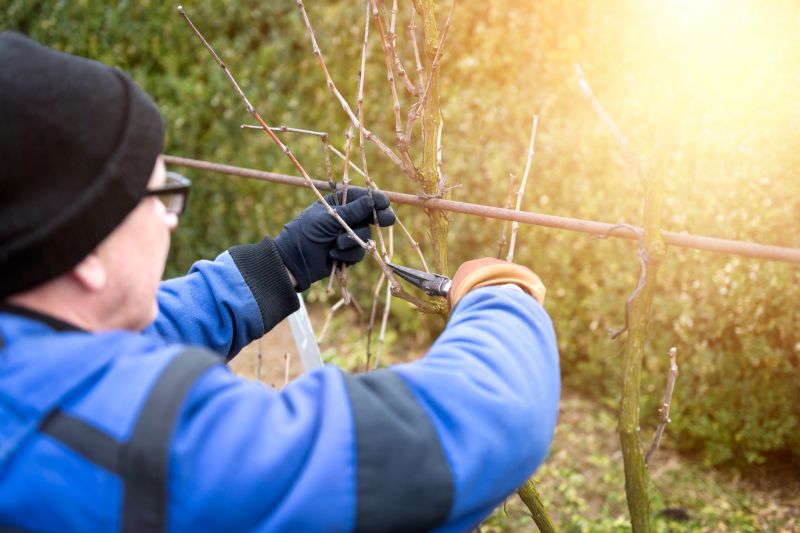
About Fig Pruning Services for Property Owners
This page explains Fig pruning services and helps property owners connect with local contractors who perform this work.
- - Residential homeowners seeking professional Fig pruning to maintain healthy trees and improve landscape appearance.
- - Commercial property managers needing reliable local contractors for regular or one-time Fig tree trimming.
- - Landowners with large properties or orchards looking to connect with experienced Fig pruning service providers.
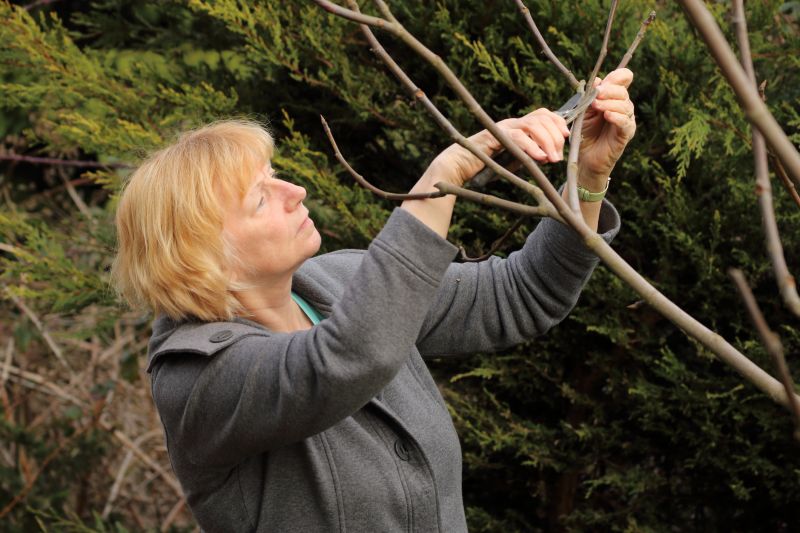
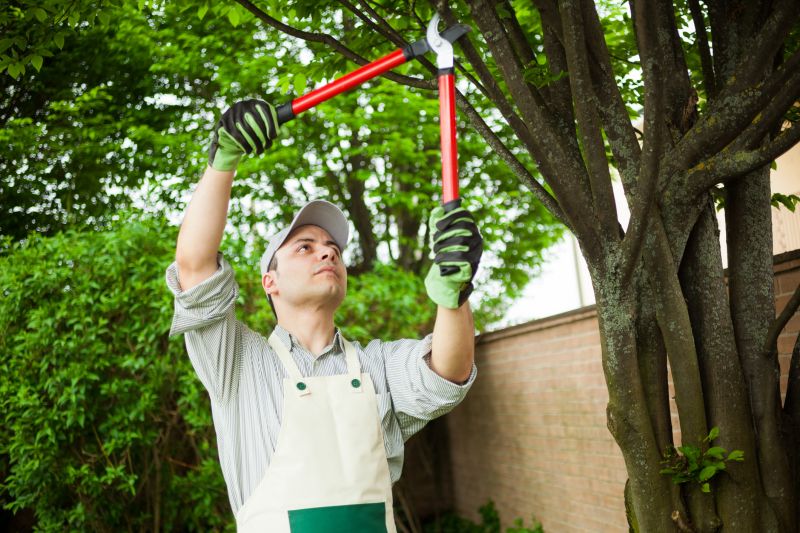
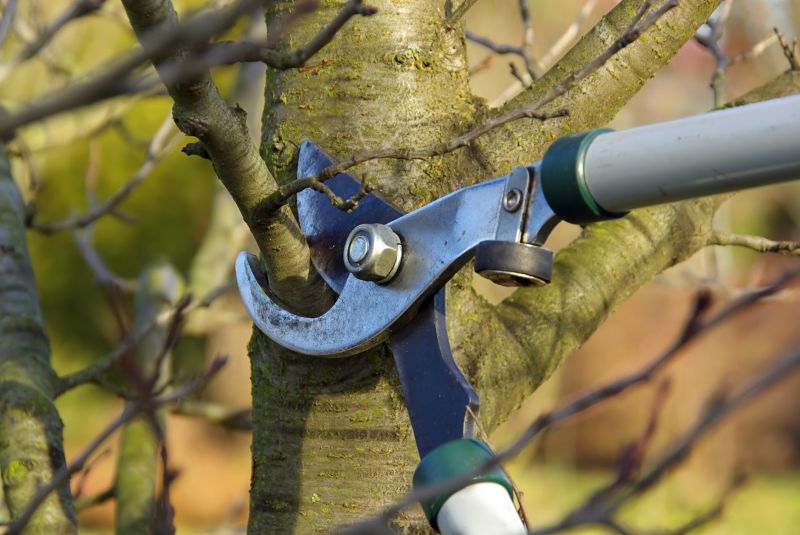
Fig pruning services involve the careful trimming and shaping of fig trees to promote healthy growth, improve fruit production, and maintain the overall appearance of the landscape. Property owners often seek assistance when fig trees become overgrown, develop dead or diseased branches, or require shaping to fit specific aesthetic preferences. Local contractors specializing in tree care and pruning can evaluate the condition of fig trees and perform the necessary cuts to support their health and vitality, ensuring the trees remain safe and attractive components of the landscape.
Connecting with experienced local service providers can help property owners find the right professionals for their fig pruning needs. These contractors typically have the tools and knowledge to handle various pruning tasks, from light shaping to more extensive trimming. Whether dealing with mature trees or young fig plants, local pros can assess each situation and recommend appropriate pruning strategies. This helps property owners maintain healthy, well-shaped fig trees that contribute positively to the overall landscape.
This guide helps visitors understand the key aspects of Fig pruning services to make informed decisions. It offers tips for comparing local contractors and sharing the basics of a pruning project. The information aims to assist in selecting the right service provider for specific needs.